
New Mexico Landscaping Guide: Desert to Mountains
Complete New Mexico landscaping guide covering native plants, climate zones, licensing, and finding qualified pros from Albuquerque to Santa Fe to Las Cruces.
New Mexico's elevation changes by over 10,000 feet from its lowest desert valleys to its highest mountain peaks. This dramatic variation creates landscaping challenges unlike anywhere else in the Southwest. Your yard deserves someone who knows what they're doing with New Mexico's unique climate zones, water restrictions, and native plant requirements.
Whether you live in the Chihuahuan Desert around Las Cruces or the alpine zones near Taos, successful New Mexico landscaping requires understanding your specific microclimate, local water rights, and the native plants that thrive at your elevation. Find the right landscaper for your yard by knowing what questions to ask about regional expertise and proper licensing.
Key Takeaways
- New Mexico has five distinct climate zones requiring different landscaping approaches
- Northern regions face 90-day growing seasons while southern areas deal with extreme heat
- Water rights and acequia systems affect irrigation planning across the state
- Native plants vary dramatically by elevation from desert succulents to mountain conifers
- Licensed landscapers must hold Construction Industries Division certification
Table of Contents
- Understanding New Mexico's Climate Zones
- Native Plants by Region and Elevation
- New Mexico Landscaping Licensing and Regulations
- Regional Landscaping Approaches
- Water Management and Irrigation Systems
- Seasonal Maintenance Considerations
- FAQ
- Conclusion
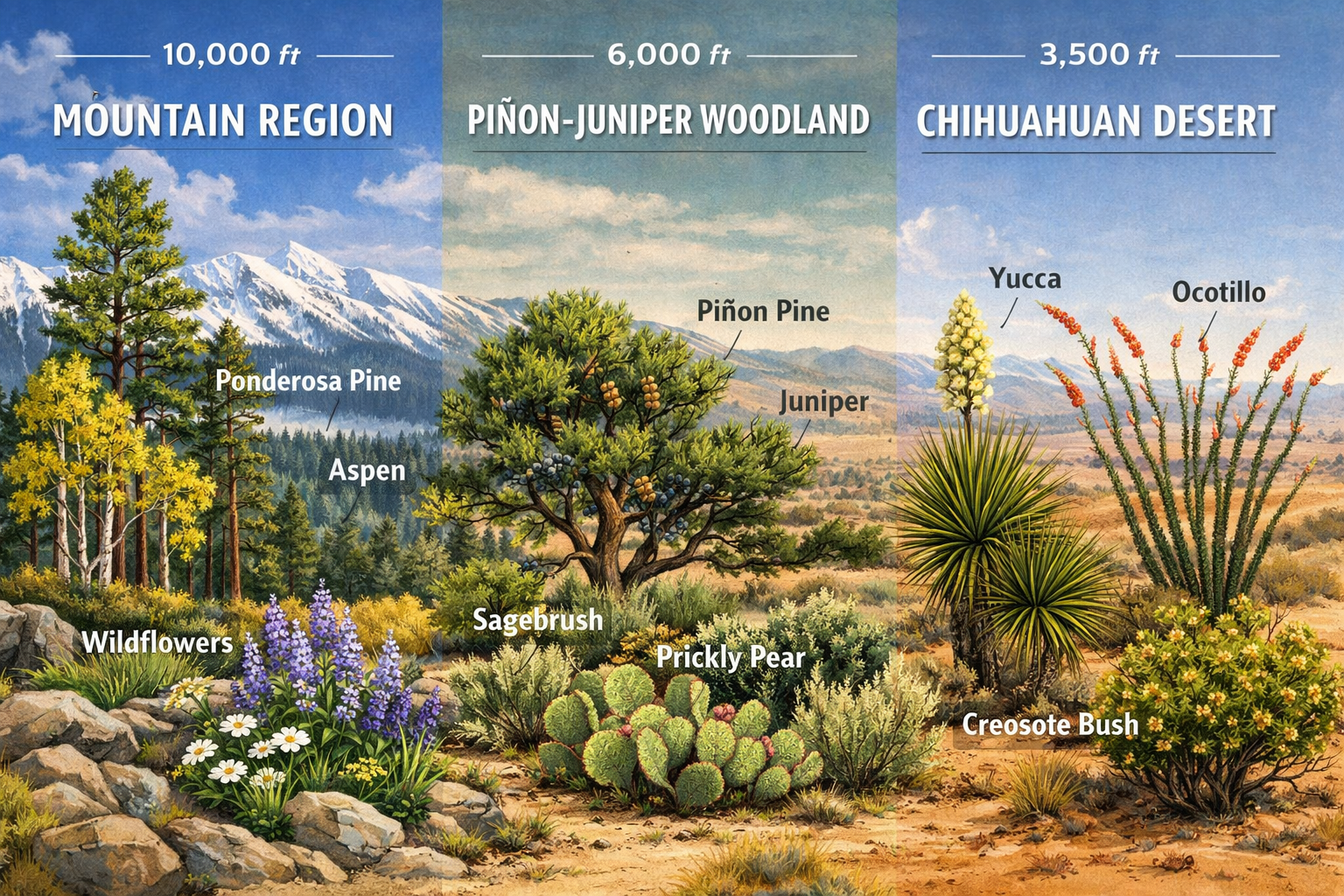
Understanding New Mexico's Climate Zones
New Mexico landscaping directory landscaping success starts with knowing your climate zone. The state spans USDA Hardiness Zones 3a through 9a, creating vastly different growing conditions within a few hours' drive.
Northern New Mexico Mountains
Cities like Taos and northern Santa Fe sit above 7,000 feet elevation. These areas experience:
- Short growing seasons: Only 90-120 frost-free days annually
- Extreme temperature swings: Summer highs of 80°F, winter lows below -10°F
- Heavy snowfall: 40+ inches annually in mountain areas
- Intense UV exposure: High altitude means stronger sun damage
Landscaping pros in your area know that mountain gardening requires cold-hardy plants and proper snow load planning for hardscape features.
High Desert Plateau
Albuquerque, Santa Fe, and Rio Rancho represent New Mexico's high desert zone at 5,000-7,000 feet:
- Moderate growing seasons: 150-180 frost-free days
- Low humidity: Often below 20% during summer months
- Temperature extremes: 100°F+ summers, occasional sub-zero winters
- Minimal precipitation: 8-14 inches annually
This zone offers the most landscaping flexibility but requires xeriscaping principles and wind-resistant plant selections.
Southern Desert Valleys
Las Cruces and the Rio Grande Valley below 4,000 feet face true desert conditions:
- Long growing seasons: 200+ frost-free days
- Extreme heat: Regular summer temperatures above 105°F
- Intense sun exposure: Over 350 sunny days per year
- Minimal rainfall: Often less than 10 inches annually
Desert landscaping here focuses on heat tolerance and maximum water efficiency.
Eastern Plains and Western Mesas
These transitional zones blend high desert with Great Plains or basin characteristics, requiring specialized plant knowledge that local pros understand better than out-of-state contractors.
Native Plants by Region and Elevation
Real reviews from real homeowners consistently praise landscapers who choose appropriate native plants over generic southwestern selections that fail in New Mexico's specific conditions.
Mountain Zone Natives (Above 7,000 feet)
Trees and Large Shrubs:
- Ponderosa Pine: Drought-tolerant once established, handles snow loads
- Quaking Aspen: Provides fall color, requires adequate moisture
- Rocky Mountain Juniper: Extremely hardy, good windbreak option
- Gambel Oak: Native deciduous option, excellent wildlife habitat
Understory Plants:
- Mountain Mahogany: Silvery foliage, very drought-tolerant
- Kinnikinnick: Evergreen groundcover for shaded slopes
- Wild Bergamot: Native perennial with purple flowers
- Blue Grama Grass: Native bunch grass, excellent for naturalized areas
High Desert Natives (5,000-7,000 feet)
Signature Trees:
- Piñon Pine: State tree, extremely drought-tolerant, provides edible nuts
- One-Seed Juniper: Classic New Mexico landscape tree
- New Mexico Olive: Small native tree with silvery leaves
Essential Shrubs:
- Chamisa (Rabbitbrush): Bright yellow fall blooms, crucial for pollinators
- Apache Plume: White flowers, feathery seed heads, very hardy
- Four O'Clock: Native perennial with magenta flowers
- Sand Sage: Aromatic silvery foliage, extremely drought-tolerant
Desert Zone Natives (Below 5,000 feet)
Architectural Plants:
- Soaptree Yucca: Dramatic white flower spikes, architectural form
- Ocotillo: Striking vertical stems with red flower tips
- Prickly Pear Cactus: Multiple native species, colorful flowers and fruit
Supporting Plants:
- Creosote Bush: Extremely drought-tolerant, distinctive aroma after rain
- Desert Willow: Small tree with orchid-like flowers
- Brittlebush: Yellow daisy flowers, silvery foliage
- Desert Marigold: Year-round yellow blooms with minimal water
Licensed, insured, and reviewed landscapers know which varieties perform best in your specific microclimate and soil conditions.
New Mexico Landscaping Licensing and Regulations
Know who you're letting into your yard by understanding New Mexico's licensing requirements. We verify so you don't have to, but here's what proper licensing looks like.
Construction Industries Division (CID) Requirements
New Mexico requires landscaping contractors to hold proper CID licensing for projects over $7,500. Licensed contractors must:
- Pass trade examinations: Demonstrating knowledge of local conditions and proper techniques
- Maintain liability insurance: Protecting your property during installation
- Post performance bonds: Ensuring project completion
- Complete continuing education: Staying current with best practices and regulations
Specialty Certifications
Look for additional certifications that show expertise in New Mexico landscaping:
- Irrigation Association certification: For complex drip and sprinkler systems
- Native Plant Society membership: Demonstrating commitment to appropriate plant selection
- Xeriscape certification: Specialized training in water-efficient landscaping
Water Rights and Irrigation Permits
Many New Mexico landscaping projects require understanding of:
- Acequia water rights: Traditional irrigation systems still active in northern counties
- Well permits: Required for new irrigation wells in most areas
- Municipal water restrictions: Varying by city and season
Cost guides that actually tell you what things cost should include permit fees and water system compliance expenses.
Regional Landscaping Approaches
Santa Fe and Northern New Mexico Landscaping
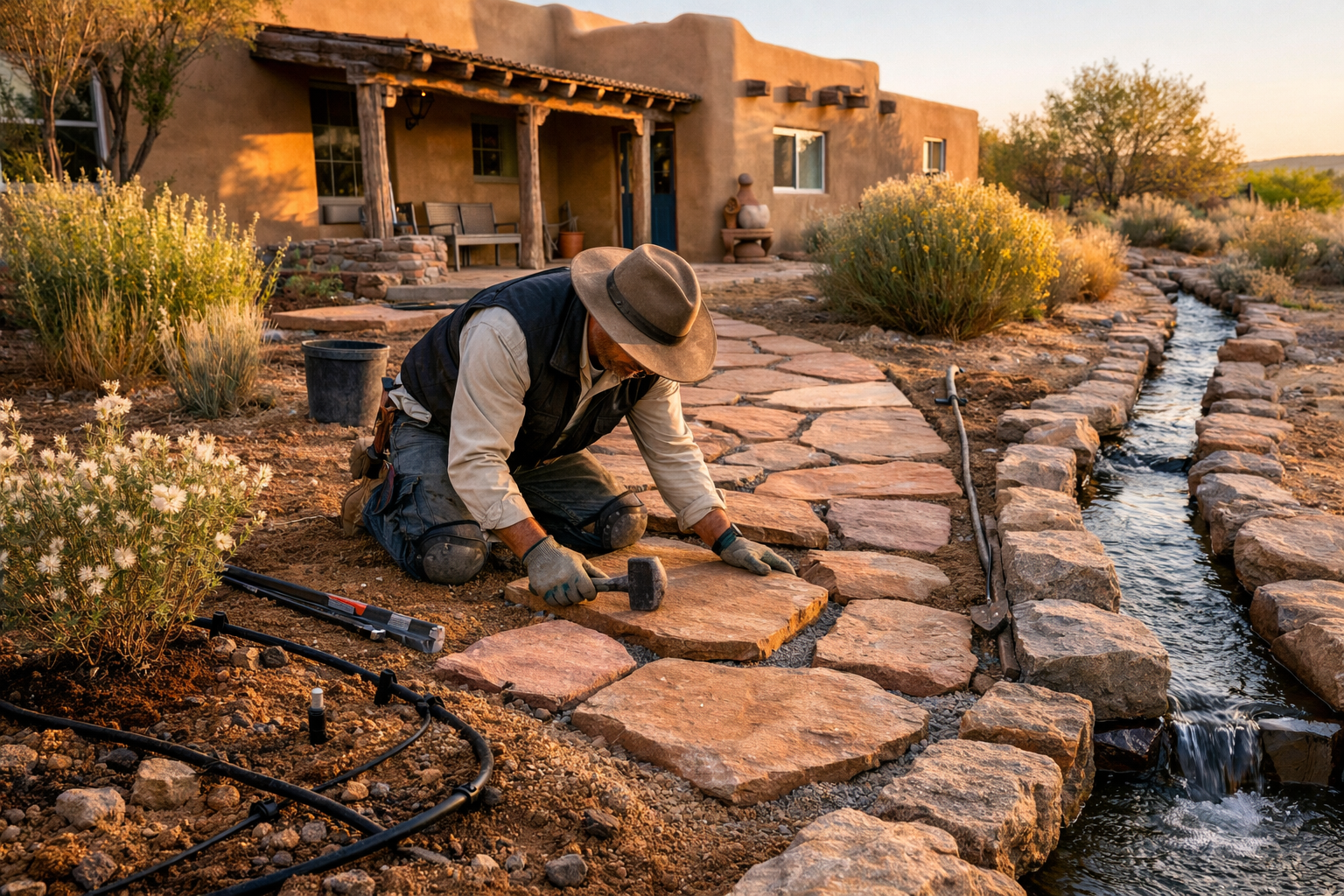
Santa Fe landscaping services's Pueblo Revival and Territorial architecture demands specific landscaping approaches:
Hardscape Materials:
- Flagstone pathways: Local sandstone in earth tones
- Adobe or stucco walls: Matching architectural elements
- Decomposed granite surfaces: Permeable, natural-looking
- Vigas and latillas: Traditional wooden elements for pergolas
Plant Palette:
Focus on plants that complement adobe architecture while handling elevation challenges around 7,000 feet.
Albuquerque Area Landscaping
The Duke City's high desert location offers more plant options while requiring careful water management:
Design Elements:
- Xeriscaping principles: Grouping plants by water needs
- Microclimates: Using walls and elevation changes strategically
- Seasonal interest: Planning for year-round appeal
- Wildlife habitat: Supporting native birds and pollinators
Las Cruces and Southern Desert Landscaping
True desert conditions require maximum heat and drought tolerance:
Survival Strategies:
- Thermal mass: Using rocks and hardscape to moderate temperatures
- Shade structures: Essential for outdoor living spaces
- Reflective surfaces: Light-colored materials to reduce heat absorption
- Strategic plant placement: Maximizing morning sun, minimizing afternoon exposure
Water Management and Irrigation Systems
Water is precious in New Mexico. From basic lawn care to full backyard transformations, successful projects require sophisticated water management.
Acequia Systems and Traditional Irrigation
Northern New Mexico's acequia systems date back centuries and still provide irrigation water in many communities:
- Community water rights: Shared seasonal allocations
- Traditional scheduling: Specific days and times for irrigation
- Maintenance obligations: Property owners must participate in acequia upkeep
- Integration challenges: Blending traditional flood irrigation with modern landscaping
Modern Drip Irrigation
Most New Mexico landscaping benefits from efficient drip systems:
System Components:
- Pressure-compensating emitters: Ensuring even water distribution on slopes
- Moisture sensors: Preventing overwatering during monsoons
- Zone controllers: Different watering schedules for various plant needs
- Filtration systems: Protecting emitters from mineral-heavy water
Rainwater Harvesting
New Mexico's monsoon season provides opportunities for water collection:
- Canalones: Traditional roof drainage systems
- Cisterns: Underground storage for collected rainwater
- Bioswales: Landscape features that capture and filter runoff
- Permeable paving: Allowing water infiltration rather than runoff
Seasonal Maintenance Considerations
New Mexico's extreme seasonal variations require specific maintenance timing and techniques.
Spring Preparation (March-May)
- Frost protection: Late freezes can damage early growth
- Irrigation system startup: Checking for winter damage
- Pruning timing: Waiting until frost danger passes
- Soil preparation: Adding organic matter before planting season
Summer Management (June-August)
- Heat stress monitoring: Watching for plant distress during extreme temperatures
- Monsoon preparation: Ensuring drainage systems function properly
- Pest management: Increased insect activity during warm months
- Water efficiency: Maximizing irrigation effectiveness during peak demand
Fall Transitions (September-November)
- Planting season: Ideal time for establishing new plants before winter
- Seed collection: Harvesting native plant seeds for future use
- System winterization: Preparing irrigation for freezing temperatures
- Leaf management: Dealing with deciduous trees and wind-blown debris
Winter Protection (December-February)
- Freeze protection: Wrapping sensitive plants and protecting pipes
- Snow load management: Removing heavy snow from plants and structures
- Planning season: Designing changes for spring implementation
- Equipment maintenance: Servicing tools and irrigation components
What to Ask Before You Hire a Landscaper
No fluff, just useful advice for choosing the right professional:
Essential Questions
- "What's your CID license number?" - Verify active licensing status
- "Can you provide three local references from the past year?" - Recent work in similar conditions
- "How do you handle our specific elevation and microclimate?" - Demonstrates local knowledge
- "What's included in your warranty?" - Understanding long-term support
- "How do you manage water rights and irrigation permits?" - Crucial for legal compliance
Red Flags to Avoid
- Door-to-door solicitation without proper licensing
- Pressure for immediate decisions or cash-only payments
- Generic plant recommendations without site analysis
- No knowledge of local water restrictions or soil conditions
- Unwillingness to provide detailed written estimates
FAQ
What's the best time to start a landscaping project in New Mexico?
Fall (September-October) is ideal for most New Mexico landscaping projects. Plants establish better in cooler weather, and you avoid summer heat stress and winter freezing. Spring planting works but requires more intensive summer watering.
How much does New Mexico landscaping typically cost?
Basic xeriscaping runs $3-8 per square foot, while comprehensive landscape design with hardscaping ranges $15-25 per square foot. Native plant installation costs $25-75 per plant depending on size. Always get multiple quotes from licensed contractors.
Do I need special permits for landscape irrigation in New Mexico?
Most residential drip irrigation doesn't require permits, but new wells need state engineer approval. Check with your city about backflow prevention requirements. Acequia communities have additional restrictions on water use timing and methods.
Which native plants work best for beginners?
Start with chamisa, Apache plume, and piñon pine for reliability. These handle neglect, extreme weather, and poor soil while providing classic New Mexico appearance. Add prickly pear cactus and ornamental grasses for easy color and texture.
How do I find licensed landscaping contractors in my area?
Check the New Mexico Construction Industries Division website for active licenses. Local nurseries often maintain lists of recommended contractors. Always verify insurance and get multiple references before hiring.
What's the biggest mistake homeowners make with New Mexico landscaping?
Overwatering kills more plants than drought in New Mexico. Many homeowners also choose plants from other southwestern states that can't handle New Mexico's specific elevation, temperature swings, and soil conditions.
Conclusion
Successful New Mexico landscaping directory landscaping requires understanding your specific climate zone, choosing appropriate native plants, and working with properly licensed professionals who know local conditions. From the mountain forests around Taos to the Chihuahuan Desert near Las Cruces, each region demands different approaches to plant selection, water management, and seasonal care.
The directory built for homeowners, not advertisers, helps you find landscaping pros in your area who understand New Mexico's unique challenges. Whether you need basic maintenance or a complete yard transformation, start by verifying licensing, checking local references, and ensuring your contractor knows your elevation's specific requirements.
Find your next landscaper here by focusing on local knowledge, proper credentials, and proven experience with New Mexico's diverse climate conditions. Your investment in quality professional help will pay dividends in a landscape that thrives despite challenging conditions and adds lasting value to your property.
Liked this guide? Follow us on Google Search
Related Directory Pages
- Browse New Mexico Landscaping Pros
- Santa Fe Landscaping Services
- Browse Landscaping Services in New Mexico
- Also Read: Best Desert Landscaping Ideas for Phoenix Homes
- Also Read: Flagstaff Landscaping: Mountain vs Desert Style
- Also Read: Monsoon Season Landscaping Prep for Arizona Yards
- Also Read: Tucson Landscaping: Native Plants & Desert Design
- Search New Mexico Landscapers
Find a Landscaper Near You
Browse NM landscaping professionals on LandscapeProsDirectory.
Search Landscapers