
Salt Lake City Landscaping: Designs for the Wasatch Front
Expert Salt Lake City landscaping guide covering water restrictions, alkaline soil solutions, mountain views, and finding licensed pros for Utah's climate.
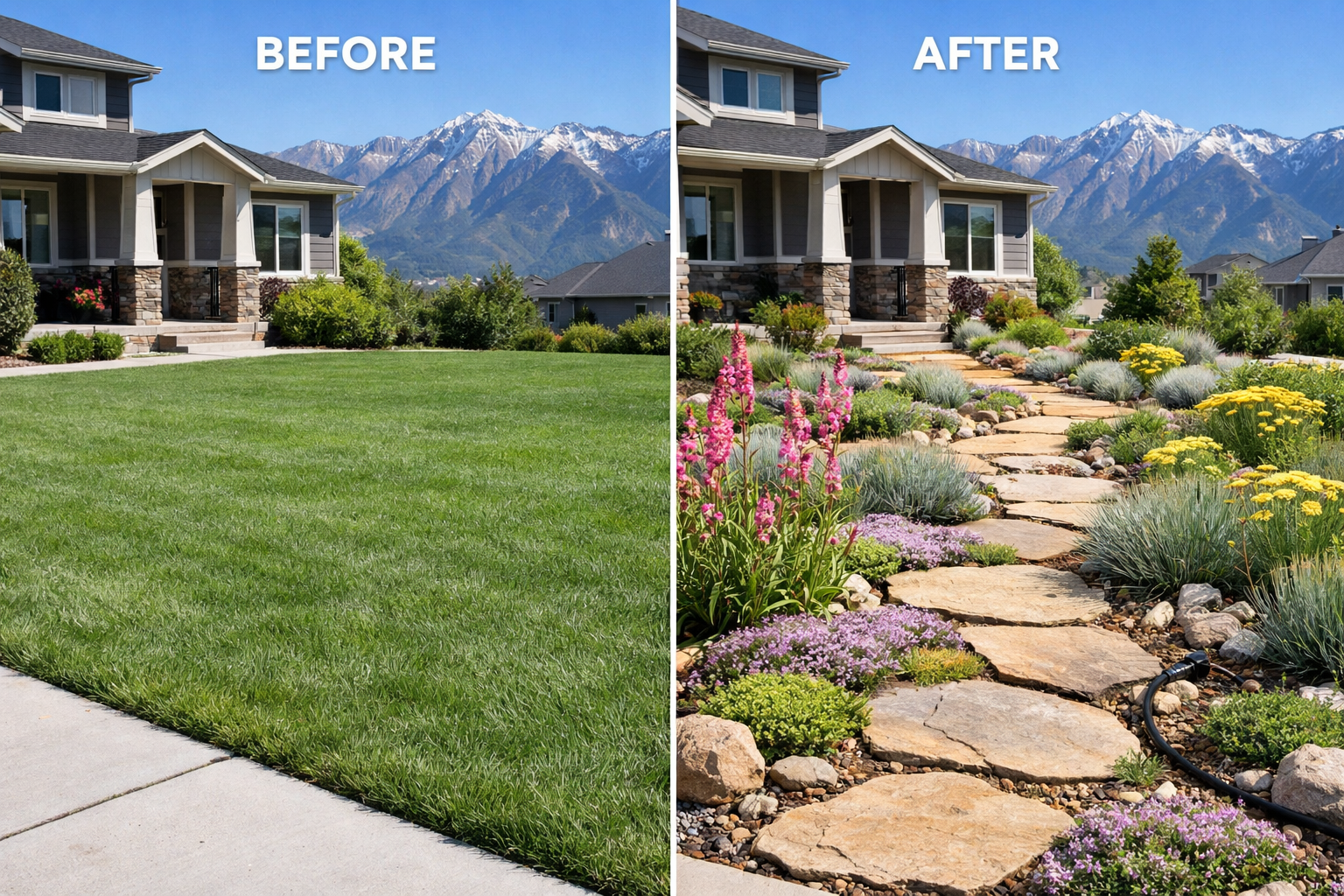
Water restrictions across the Wasatch Front are forcing Salt Lake City homeowners to rethink their yards. In 2026, multiple cities are targeting 20-30% cuts in outdoor water use while the Great Salt Lake continues shrinking. Your yard deserves someone who knows what they're doing when it comes to designing landscapes that work with Utah's unique climate challenges.
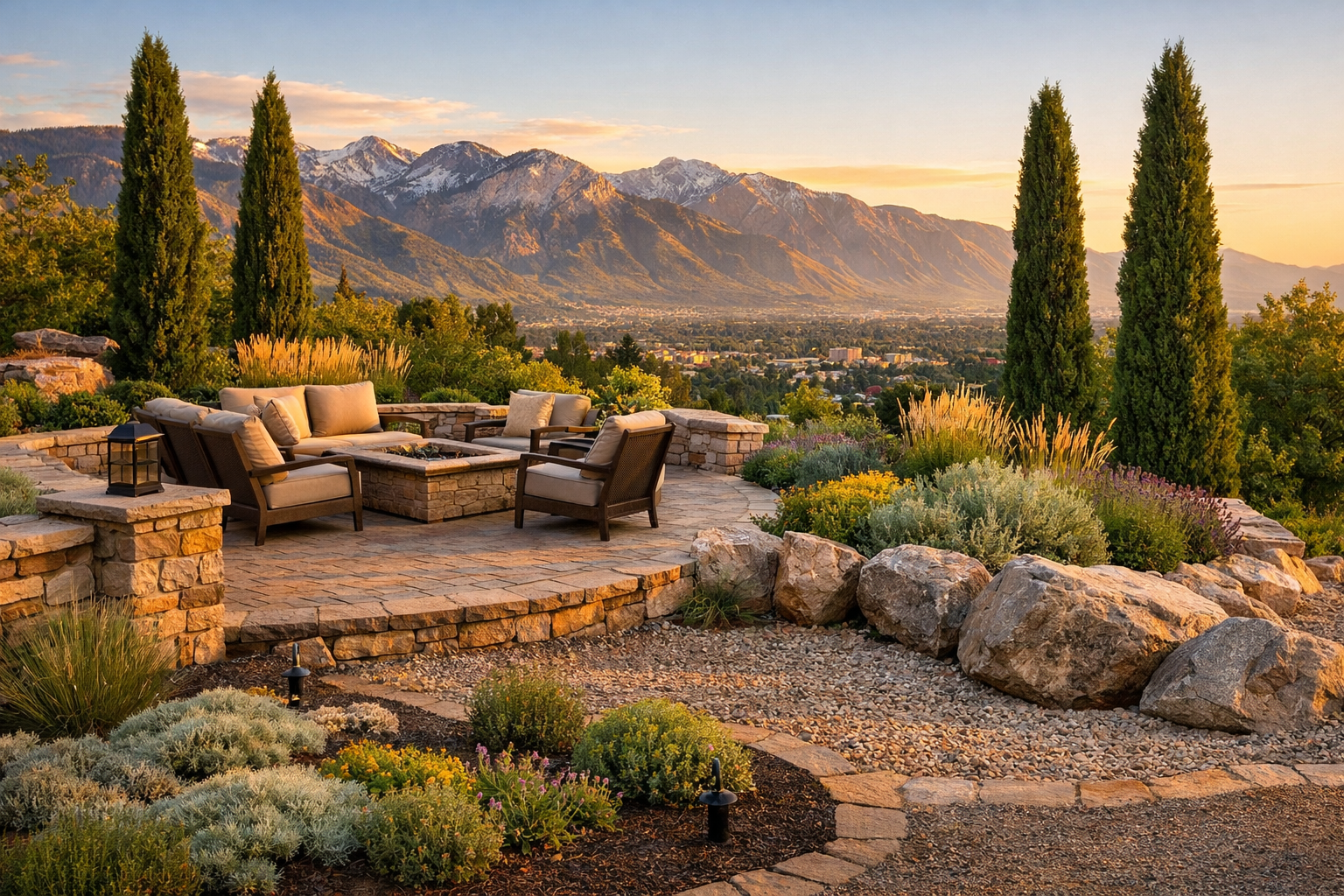
Salt Lake City landscaping isn't just about pretty plants anymore. It's about creating outdoor spaces that handle temperature inversions, alkaline soil, dust storms, and strict water budgets while still looking beautiful against those stunning mountain views.
Key Takeaways
- Water restrictions are reshaping Salt Lake City landscaping with cities requiring 20-30% cuts in outdoor water use
- Alkaline soil and temperature inversions create unique challenges that require specific plant choices and design strategies
- Licensed landscapers must understand secondary water systems, snow storage planning, and Utah's Localscapes program
- Mountain-view design and dust mitigation through strategic plantings are becoming standard requests
- Cool-season grasses like Kentucky bluegrass and fescue work better than warm-season varieties in the Wasatch Front climate
Table of Contents
- Understanding the Wasatch Front Climate Challenges
- Water-Wise Salt Lake City Landscaping Solutions
- Working with Licensed Landscaping Professionals
- Frequently Asked Questions
Understanding the Wasatch Front Climate Challenges
Temperature Inversions and Plant Selection
Salt Lake City landscaping services sits in a bowl surrounded by mountains. During winter months, cold air gets trapped near the valley floor while warm air sits above it. This creates temperature inversions that trap pollutants and create unique growing conditions.
Smart Salt Lake City landscaping uses plants that actually help filter air during inversions. Trees like London plane trees, honey locusts, and Austrian pines absorb pollutants better than others. Shrubs such as serviceberry and oakleaf mountain ash also help clean the air your family breathes.
Alkaline Soil Solutions
Most Salt Lake City soil has a pH between 7.5 and 8.5. That's alkaline soil, which means many popular landscape plants struggle to get nutrients they need. Iron deficiency shows up as yellow leaves on trees and shrubs.
Licensed landscapers in your area know to test soil pH first. They'll recommend plants that thrive in alkaline conditions or amend soil properly. Native plants like penstemon, rabbitbrush, and Utah serviceberry evolved in these conditions and don't need special soil treatments.
Great Salt Lake Dust Mitigation
When the Great Salt Lake shrinks, exposed lakebed creates dust storms that coat everything in fine particles. Strategic landscaping can help protect your home and yard from this dust.
Windbreak plantings on the west side of properties help block dust-carrying winds. Dense shrub plantings and groundcovers trap dust particles before they reach your house. Avoid large areas of bare soil that just add to the dust problem.
Water-Wise Salt Lake City Landscaping Solutions
Utah's Localscapes Program Integration
The Localscapes program helps Utah landscaping directory homeowners design water-efficient landscapes. It focuses on right-sizing turf areas and using water-wise plants that need less irrigation once established.
Find the right landscaper for your yard who understands Localscapes principles. They should know which plants qualify for rebates and how to design irrigation zones that meet program requirements. Many cities offer rebates up to $2,000 for qualifying landscape conversions.
Cool-Season Grass Recommendations
Forget warm-season grasses like Bermuda or Zoysia. Salt Lake City's climate favors cool-season varieties that grow actively in spring and fall when temperatures are moderate.
Kentucky Bluegrass remains the gold standard for high-traffic areas. It goes dormant in summer heat but greens up beautifully in cooler months. Newer varieties like 'Midnight' and 'Blue Velvet' use 30% less water than older types.
Tall Fescue works well for areas that get less maintenance. It's more drought-tolerant than bluegrass and handles foot traffic well. 'Titanium' and 'Crossfire' varieties perform well in Utah conditions.
Fine Fescue works for low-traffic areas and slopes. It needs the least water of any grass type and tolerates some shade.
Smart Irrigation with Secondary Water Systems
Many Salt Lake City areas have secondary water systems that deliver non-potable water for irrigation. This water costs less than culinary water but requires different system design.
Licensed irrigation contractors know how to work with both culinary and secondary water systems. They understand pressure differences, seasonal availability, and proper backflow prevention requirements. Secondary water typically runs from April through October in most areas.
Snow Storage Planning
Where does all that snow go when you plow your driveway? Smart Salt Lake City landscaping includes designated snow storage areas that won't damage plants or block drainage.
Plan for 3-4 feet of snow depth in storage areas. Avoid planting delicate shrubs where snow gets piled. Salt-tolerant plants work best near driveways and sidewalks where de-icing salt gets used.
Working with Licensed Landscaping Professionals
DOPL Licensing Requirements
Utah requires landscape contractors to have proper licensing through the Division of Professional Licensing (DOPL). Different license types cover different scopes of work.
Landscape Construction licenses cover hardscaping, grading, and installation work. Irrigation licenses are separate and required for sprinkler system installation. Some contractors hold both licenses.
We verify so you don't have to. Always ask to see current license numbers and verify them on the DOPL website. Licensed contractors carry required insurance and bonding that protects your property.
What to Ask Before You Hire a Landscaper
Know who you're letting into your yard by asking the right questions upfront:
- Do you have current Utah landscape contractor and irrigation licenses?
- Can you provide references from recent projects in Salt Lake City, Sandy, West Jordan, or Draper?
- How do you handle alkaline soil conditions and plant selection?
- Do you design for water conservation and Localscapes program compliance?
- What's your experience with secondary water systems?
- How do you plan for snow storage and winter conditions?
Cost Guides That Actually Tell You What Things Cost
Salt Lake City landscaping costs vary widely based on scope and materials. Here's what homeowners actually pay in 2026:
Basic lawn installation: $2-4 per square foot for sod, $1-2 per square foot for seed
Drip irrigation systems: $3-6 per square foot of planted area
Natural stone patios: $15-25 per square foot installed
Retaining walls: $25-40 per square foot for natural stone
Tree installation: $200-500 per tree depending on size and species
Full front yard renovation: $8,000-15,000 for typical suburban lot
Get written estimates from at least three licensed contractors. Real reviews from real homeowners help you understand which contractors deliver quality work on time and on budget.
Local Pros, Local Knowledge
Landscaping pros in your area understand Wasatch Front conditions that out-of-state contractors miss. They know which nurseries carry the best plant material, when to plant for optimal establishment, and how to work around utility lines and easements.
Look for contractors who regularly work in Salt Lake City, Sandy, West Jordan, and Draper. They understand local soil conditions, water restrictions, and permitting requirements that vary between cities.
Frequently Asked Questions
What plants work best for Salt Lake City's alkaline soil and water restrictions?
Native and adapted plants perform best in alkaline soil without amendments. Try penstemon, yarrow, rabbitbrush, creeping thyme, blue fescue, and lavender for color and texture. These plants need minimal water once established and handle pH levels above 8.0.
How much can I reduce my water bill with drought-tolerant landscaping?
Homeowners typically see 30-50% reductions in summer water bills after converting high-water turf to drought-tolerant plants and efficient irrigation. The exact savings depend on your current landscape size and new plant selections.
Do I need a permit for landscape renovation in Salt Lake City?
Most cities require permits for irrigation system installation and major grading work. Planting and basic hardscaping typically don't need permits, but check with your city's building department. Licensed contractors handle permit applications as part of their service.
When is the best time to install new landscaping in Salt Lake City?
Spring (April-May) and fall (September-October) offer ideal planting conditions. Avoid summer installation when heat stress makes plant establishment difficult. Plan major projects for spring installation to give plants a full growing season before winter.
How do I find contractors who understand water conservation requirements?
Look for contractors certified in Utah's Localscapes program or who regularly work on water-wise projects. Ask to see examples of drought-tolerant landscapes they've installed and references from homeowners who've received rebates through conservation programs.
What's the difference between secondary water and culinary water for irrigation?
Secondary water is non-potable water delivered through separate pipes for irrigation use. It costs less than culinary water but has seasonal availability and different pressure characteristics. Not all areas have secondary water access, so check with your city utilities department.
Conclusion
Utah landscaping directory landscaping in 2026 requires balancing water conservation, air quality concerns, and the unique beauty of mountain living. From basic lawn care to full backyard transformations, the right approach starts with understanding Wasatch Front conditions and working with professionals who know local requirements.
Your yard can be both beautiful and water-wise with proper plant selection and design. Licensed, insured, and reviewed contractors who understand alkaline soil, temperature inversions, and conservation programs will deliver landscapes that thrive in Utah's climate.
Find your next landscaper here by focusing on local expertise, proper licensing, and proven experience with water-efficient design. The directory built for homeowners, not advertisers, helps you connect with professionals who understand what Salt Lake City yards need to succeed.
Liked this guide? Follow us on Google Search
Related Directory Pages
- Browse Utah Landscaping Pros
- Salt Lake City Landscaping Services
- Browse Landscaping Services in Utah
- Also Read: Best Desert Landscaping Ideas for Phoenix Homes
- Also Read: Flagstaff Landscaping: Mountain vs Desert Style
- Also Read: Monsoon Season Landscaping Prep for Arizona Yards
- Also Read: Tucson Landscaping: Native Plants & Desert Design
- Search Utah Landscapers
Find a Landscaper Near You
Browse UT landscaping professionals on LandscapeProsDirectory.
Search Landscapers