
St. George Landscaping: Desert Designs That Beat the Heat
Expert guide to St. George landscaping for extreme desert heat. Drought-tolerant plants, hardscape materials, and licensed contractors for lasting results.
Summer temperatures in St. George regularly hit 115°F, making it hotter than Las Vegas and one of the most challenging landscaping environments in the Southwest. Your yard deserves someone who knows what they're doing in these extreme conditions, not a contractor who learned their trade in milder climates.
St. George landscaping requires specialized knowledge of Mojave Desert conditions, Washington County water restrictions, and plants that actually survive when the thermometer climbs above 110°F for weeks at a time. The red rock country's unique soil and elevation create challenges that even experienced desert landscapers from Phoenix might not expect.
Key Takeaways
- St. George's Mojave Desert climate demands drought-tolerant plants rated for USDA Zone 8b-9a with extreme heat tolerance
- Washington County water restrictions limit turf areas and require efficient irrigation systems for new installations
- Hardscape materials must withstand 115°F surface temperatures without cracking or becoming dangerously hot
- Retirement communities, family homes, and vacation rentals each need different low-maintenance approaches
- Licensed Utah contractors familiar with local soil conditions and building codes provide better long-term results
Table of Contents
- Understanding St. George's Extreme Climate Challenges
- Choosing the Right Plants and Materials for Desert Heat
- Designing for Different Property Types and Lifestyles
- Working with Licensed Local Contractors
Understanding St. George's Extreme Climate Challenges
St. George's Unique Desert Environment
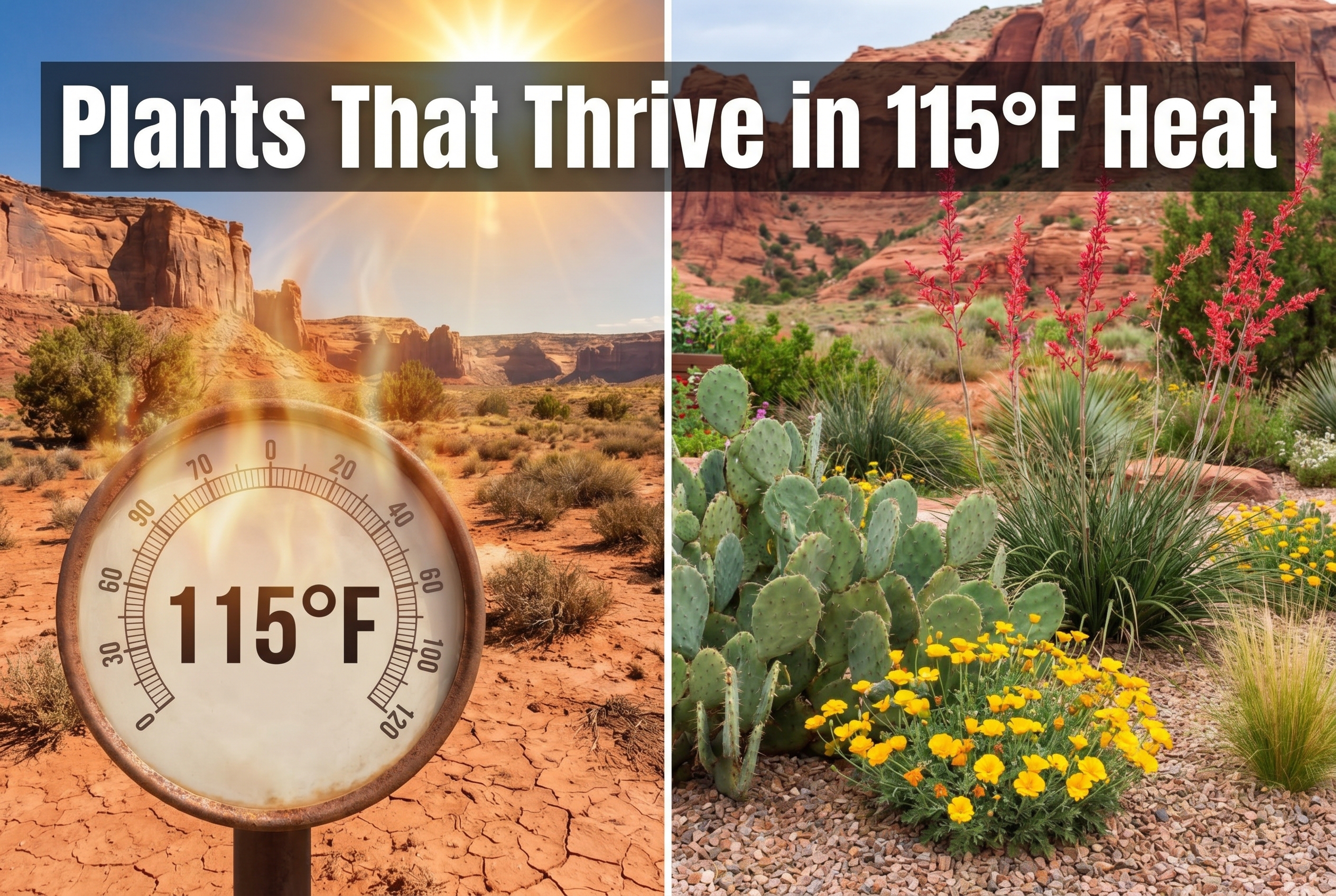
St. George landscaping services sits in the Mojave Desert at 2,860 feet elevation, creating a climate that's both hotter and drier than most Southwest cities. Summer temperatures routinely exceed 110°F from June through August, with occasional spikes to 117°F. The combination of intense UV radiation, minimal humidity, and reflected heat from red rock formations creates conditions that kill plants considered "drought-tolerant" in other regions.
The city receives only 8-10 inches of annual rainfall, with most precipitation falling during brief winter months. Summer monsoons are rare and unreliable compared to Arizona's higher desert regions. This means St. George landscaping must function with virtually no natural water from May through September.
Soil Conditions in Red Rock Country
St. George's soil presents unique challenges for landscaping professionals. The native soil is primarily caliche - a cement-like layer of calcium carbonate that forms just below the surface in desert regions. This hardpan layer prevents proper drainage and root penetration, requiring specialized soil preparation techniques.
Most residential areas have been graded and filled, but the underlying caliche often remains. Professional St. George landscaping contractors know to test soil depth and drainage before planting. Areas with shallow soil over caliche need extensive amendment or raised planting beds to succeed.
The soil is also highly alkaline, with pH levels often exceeding 8.0. Plants adapted to acidic conditions will struggle regardless of water availability. Successful landscaping requires selecting plants that thrive in alkaline conditions or amending soil in specific planting areas.
Washington County Water Restrictions
Water conservation isn't optional in St. George - it's mandated by Washington County Water Conservancy District regulations. Current restrictions limit new turf installations to 600 square feet for residential properties. Existing turf areas face seasonal watering schedules that restrict irrigation to specific days and times.
Tiered water pricing increases costs significantly for high-usage properties. The first tier covers basic indoor use, but landscape irrigation quickly pushes homeowners into higher-cost tiers. Smart St. George landscaping designs minimize water usage to keep utility costs manageable.
New construction and major renovations must include water-efficient landscaping plans approved by local authorities. These regulations favor xeriscaping, artificial turf, and drought-tolerant plant selections over traditional grass lawns and water-intensive gardens.
Choosing the Right Plants and Materials for Desert Heat
Drought-Tolerant Plants That Actually Work
Not all "drought-tolerant" plants survive St. George's extreme conditions. Plants must handle both water scarcity and temperatures that regularly exceed 110°F. Many succulents and desert plants from milder climates fail when exposed to St. George's intense heat and UV radiation.
Proven performers for St. George landscaping include:
- Desert Willow - Native tree providing shade and seasonal flowers, handles 115°F+ temperatures
- Red Yucca - Produces dramatic red flower spikes, extremely heat and drought tolerant
- Prickly Pear Cactus - Native species requiring zero supplemental water once established
- Desert Marigold - Bright yellow flowers year-round, thrives in alkaline soil
- Ornamental Grasses - Buffalo grass, blue grama, and galleta grass varieties adapted to local conditions
Avoid plants marketed as drought-tolerant but rated for milder zones. Mediterranean plants like lavender and rosemary often struggle in St. George's extreme heat, despite thriving in California's coastal regions.
Artificial Turf Considerations for Extreme Heat
Artificial turf offers a water-free lawn alternative, but quality matters significantly in St. George's climate. Cheap artificial grass becomes dangerously hot, reaching surface temperatures over 160°F on summer days. Higher-quality products with heat-reducing technology stay cooler but cost substantially more.
Professional installation is critical for artificial turf longevity. Proper base preparation, drainage, and edge securing prevent the buckling and separation common with DIY installations. Licensed St. George landscaping contractors understand local soil conditions and can prepare bases that won't shift during temperature extremes.
Consider artificial turf placement carefully. Areas receiving full afternoon sun become unusable during summer months regardless of quality. Partial shade from structures or trees makes artificial turf more practical for year-round use.
Hardscape Materials for 115°F Heat
Hardscape selection requires understanding how materials behave in extreme heat. Dark-colored concrete, asphalt, and stone become dangerously hot, causing burns on contact. Light-colored materials reflect heat but can create uncomfortable glare.
Recommended hardscape materials for St. George:
- Flagstone - Natural stone stays cooler than concrete, provides non-slip surfaces
- Decomposed granite - Permeable, affordable pathway material that doesn't retain heat
- Light-colored concrete - Reflects heat when properly finished, requires shade structures for comfort
- Natural river rock - Excellent drainage, stays relatively cool, complements desert plantings
Avoid dark pavers, black mulch, and rubber surfaces that become untouchable during summer afternoons. Plan hardscape areas with shade structures or position them to receive morning sun and afternoon shade when possible.
Designing for Different Property Types and Lifestyles
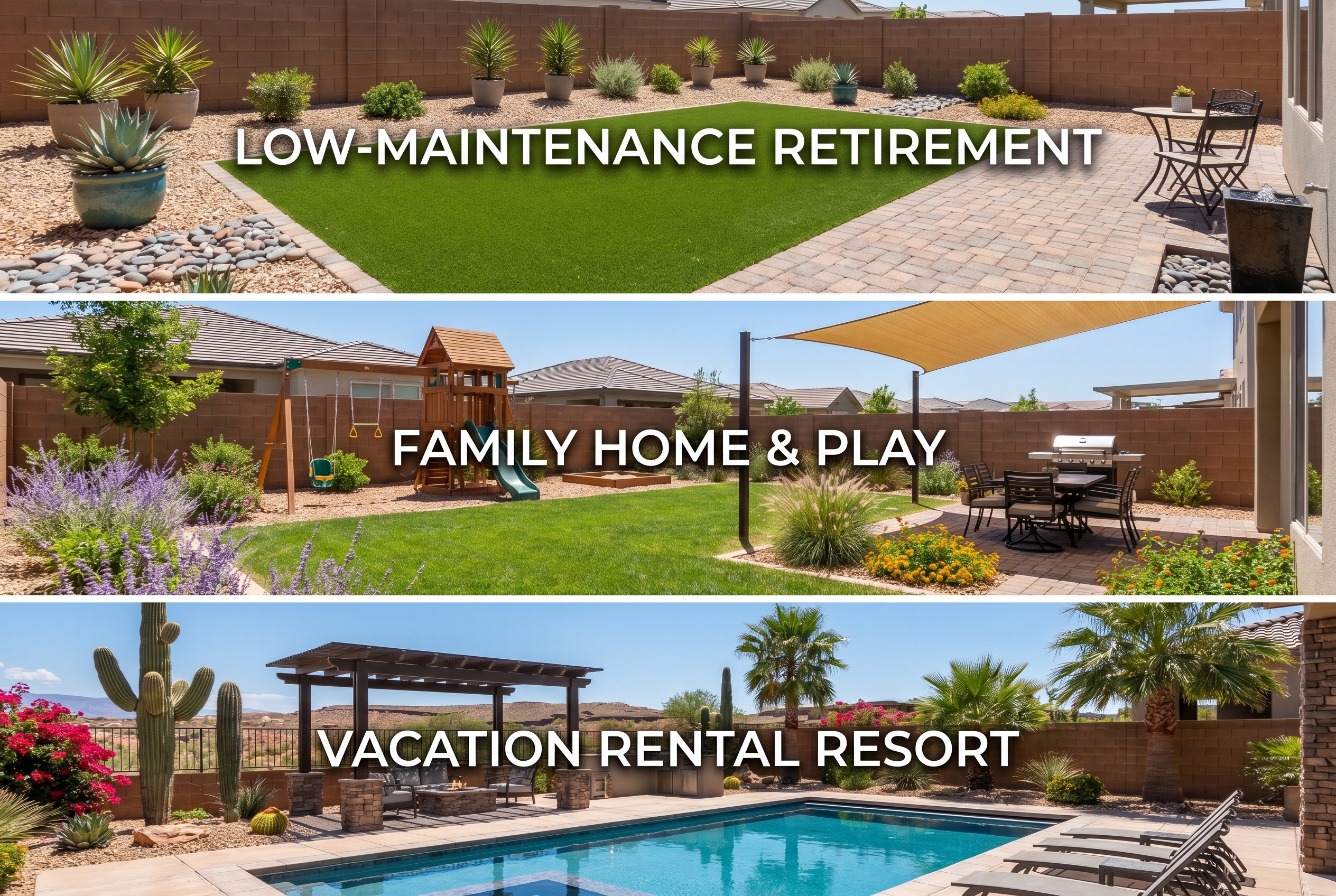
Retirement Community Landscaping
St. George's large retiree population creates demand for ultra-low maintenance landscaping that looks attractive year-round. Snowbird-friendly designs must function without regular care during summer months when many residents travel to cooler climates.
Successful retirement community St. George landscaping emphasizes:
- Artificial turf areas for green space without water or maintenance requirements
- Established drought-tolerant shrubs that maintain shape without frequent pruning
- Gravel mulch instead of organic mulches that require annual replacement
- Automatic irrigation systems with smart controllers and soil moisture sensors
- Minimal seasonal color from plants rather than annual flower rotations
The goal is creating attractive outdoor spaces that require professional maintenance only 2-3 times annually. Avoid high-maintenance plants requiring regular pruning, deadheading, or seasonal replacement.
Family Home Landscape Design
Families need functional outdoor spaces that work for children while surviving St. George's climate. This means balancing safety, usability, and water conservation in landscape design.
Key considerations for family-oriented St. George landscaping:
- Shade structures over play areas and patios for summer usability
- Artificial turf play areas that stay green without constant watering
- Thornless plant selections near walkways and play spaces
- Pool-friendly plantings that don't drop leaves or attract bees
- Defined planting beds that keep desert plants away from high-traffic areas
Natural grass areas should be limited to small, well-shaded spaces where children actually play. Large lawn areas become brown and unusable during summer months despite heavy watering.
Vacation Rental Resort-Style Design
St. George's booming vacation rental market demands landscaping that photographs well and creates resort-like ambiance for guests. These properties need dramatic visual impact while remaining low-maintenance for property managers.
Resort-style St. George landscaping features:
- Pool area focal points with architectural plants like century plants or desert spoons
- Dramatic lighting highlighting red rock views and landscape features
- Entertainment areas with built-in seating and fire features
- Privacy screening using fast-growing desert-adapted trees
- Instagram-worthy plant combinations that look good year-round
Vacation rentals can justify higher initial investment in mature plants and custom hardscape features that create immediate impact. The key is selecting plants and materials that maintain their appearance without daily attention.
Working with Licensed Local Contractors
Why Local Knowledge Matters
St. George landscaping requires understanding local conditions that out-of-area contractors often underestimate. Soil preparation techniques, plant selection, and irrigation design all differ significantly from other desert regions. Local pros have local knowledge about which suppliers carry appropriate materials and which techniques work long-term.
Licensed Utah landscaping directory contractors also understand state and local regulations affecting landscape installation. Building permits, water meter requirements, and HOA compliance vary significantly between jurisdictions. Know who you're letting into your yard by verifying licenses and local experience.
Questions to Ask Before Hiring
Essential questions for St. George landscaping contractors:
- How many years have you worked specifically in St. George's climate?
- Can you provide references from projects completed 3+ years ago?
- Do you carry both general liability and workers compensation insurance?
- What's your experience with Washington County water restriction compliance?
- How do you handle soil preparation over caliche hardpan?
- What's your warranty policy for plant installations?
Red flags include contractors who can't explain local soil conditions, suggest plants inappropriate for the climate, or can't provide local references. We verify licensing and insurance so you don't have to worry about hiring unqualified contractors.
Cost Considerations for Desert Landscaping
St. George landscaping costs reflect the specialized knowledge and materials required for extreme desert conditions. Soil preparation alone can cost $3-5 per square foot when caliche removal is required. Quality drought-tolerant plants cost more initially but provide better long-term value than cheaper alternatives that fail in extreme heat.
Typical cost ranges for St. George landscaping projects:
- Basic xeriscaping: $8-12 per square foot including plants and basic irrigation
- Artificial turf installation: $12-18 per square foot for quality products and professional installation
- Pool area landscaping: $15-25 per square foot for resort-style designs with mature plants
- Complete backyard transformation: $25,000-50,000+ depending on size and features
From basic lawn care to full backyard transformations, get multiple quotes from licensed contractors. The lowest bid often reflects inexperience with local conditions rather than competitive pricing.
Frequently Asked Questions
What plants actually survive St. George summers without constant watering?
Native and adapted desert plants like prickly pear cactus, desert willow, red yucca, and ornamental grasses handle 115°F+ temperatures with minimal water. Avoid Mediterranean plants and succulents from milder climates that often fail in extreme heat.
Is artificial turf worth the cost in St. George's climate?
Quality artificial turf pays for itself through water savings and eliminates the challenge of keeping natural grass alive in extreme heat. Choose products with heat-reducing technology and professional installation for best results.
How much should I budget for professional St. George landscaping?
Basic xeriscaping starts around $8-12 per square foot, while complete landscape renovations range from $25,000-50,000+ depending on size and features. Soil preparation and quality drought-tolerant plants increase initial costs but provide better long-term value.
What irrigation systems work best with water restrictions?
Drip irrigation with smart controllers and soil moisture sensors maximize efficiency while complying with Washington County restrictions. Avoid spray systems that waste water through evaporation in extreme heat.
Can I landscape my St. George property myself?
DIY landscaping is challenging due to caliche soil conditions, extreme climate requirements, and water restriction compliance. Most successful projects involve at least consulting with licensed professionals for design and plant selection.
When is the best time to install new landscaping in St. George?
Fall through early spring provides the best conditions for plant establishment before extreme summer heat. Avoid major installations from May through August when stress on new plants is highest.
Conclusion
Utah landscaping directory landscaping success requires understanding the unique challenges of Mojave Desert conditions, from 115°F summer temperatures to alkaline soil over caliche hardpan. The right combination of drought-tolerant plants, appropriate hardscape materials, and efficient irrigation creates beautiful outdoor spaces that thrive in extreme conditions.
Whether you're designing low-maintenance retirement community landscapes, functional family outdoor spaces, or resort-style vacation rental properties, working with licensed local contractors ensures your investment performs long-term. Find the right landscaper for your yard by prioritizing local experience, proper licensing, and proven results in St. George's challenging climate.
Ready to transform your St. George property? Research licensed contractors with specific experience in desert landscaping, get multiple detailed quotes, and verify references from projects completed several years ago. Your desert landscape investment deserves professional expertise that understands what actually works in red rock country's extreme conditions.
Liked this guide? Follow us on Google Search
Related Directory Pages
- Browse Utah Landscaping Pros
- St. George Landscaping Services
- Browse Landscaping Services in Utah
- Also Read: Best Desert Landscaping Ideas for Phoenix Homes
- Also Read: Flagstaff Landscaping: Mountain vs Desert Style
- Also Read: Monsoon Season Landscaping Prep for Arizona Yards
- Also Read: Tucson Landscaping: Native Plants & Desert Design
- Search Utah Landscapers
Find a Landscaper Near You
Browse UT landscaping professionals on LandscapeProsDirectory.
Search Landscapers